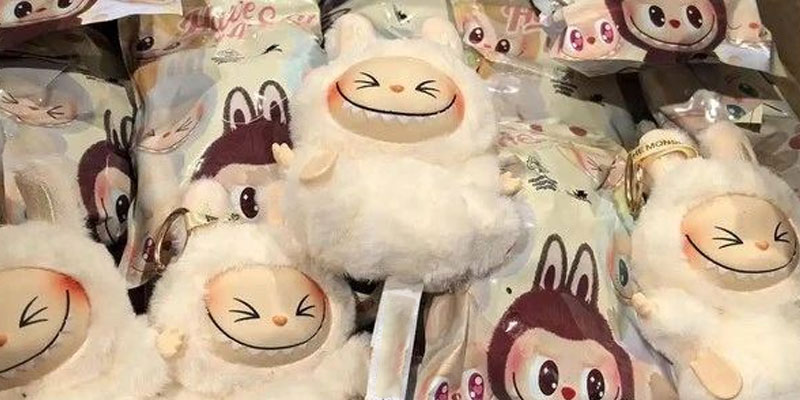

Recently, LABUBU DOLL, a trendy toy IP under Pop Mart, has gone viral across major social media platforms thanks to its adorably quirky appearance featuring long ears and tiny fangs, earning it the nickname “plastic Moutai” among young people. LABUBU’s popularity reflects the rise of the “blind box economy,” but it also harbors numerous legal risks. Recently, a judge from the Ninghai County People’s Court addressed these issues.
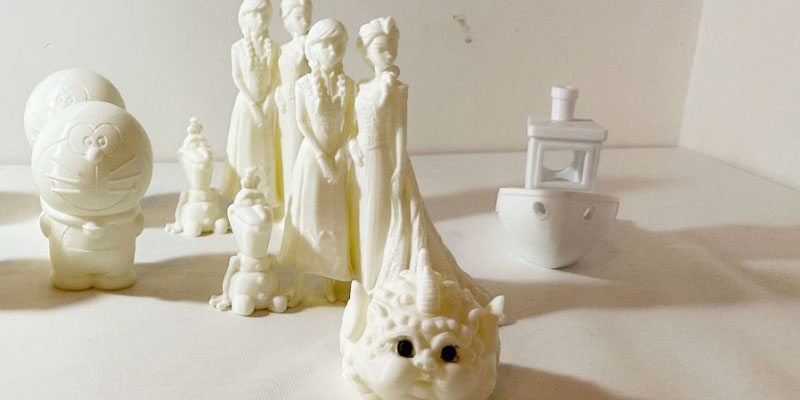
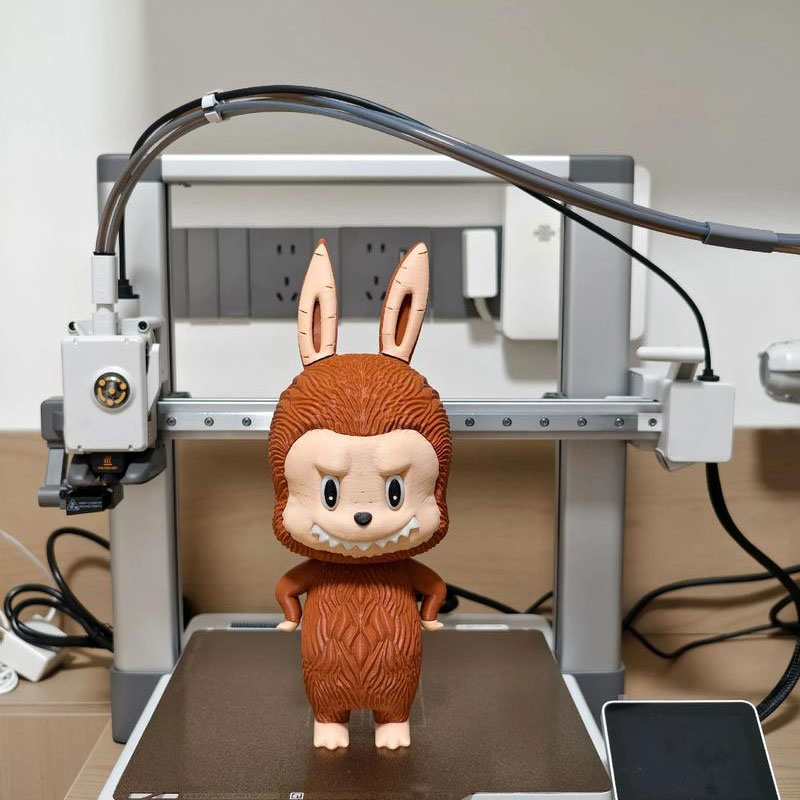
Seeing that LABUBU’s value has skyrocketed, a merchant named Xiao Ming wants to use 3D printing to replicate LABUBU and sell them for profit. Is this illegal?
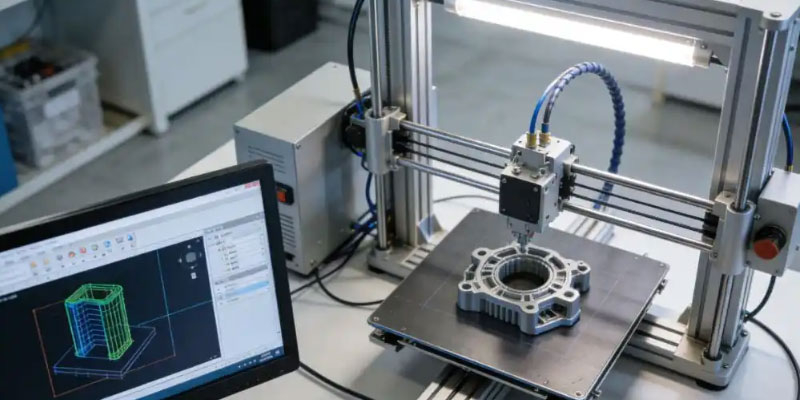
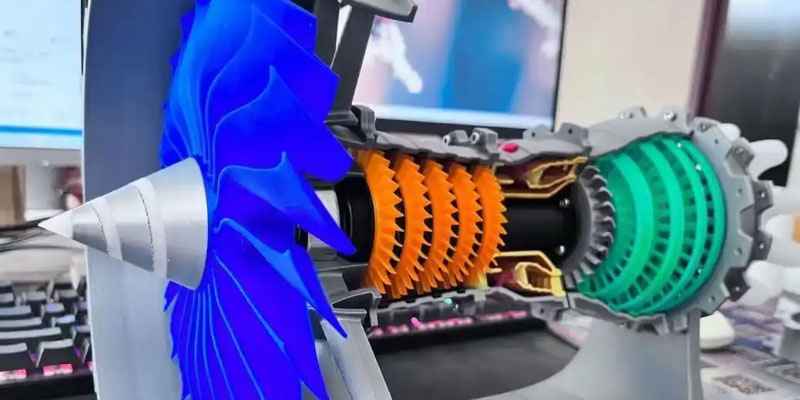
3D printing technology refers to the process of manufacturing three-dimensional objects by layering materials based on a digital model. Most models available on 3D printing platforms are generally restricted to non-commercial use; if you wish to sell them for profit, you must obtain the author’s authorization. Therefore, when businesses 3D print and sell figurines based on popular IPs, this action is highly likely to constitute copyright infringement. Even if modifications are made to the printed model, it may still be deemed an infringement if the overall visual effect resembles the original work.
If the printed item involves a registered trademark (such as the name of a specific IP), it also violates trademark law. Once infringement is established, the infringer will bear various legal liabilities, including civil liability: ceasing the infringement, compensating for losses, etc.; administrative penalties: fines and confiscation of illegal gains; and criminal liability: for the crime of copyright infringement, where the amount of illegal gains is substantial or there are other serious circumstances, the offender shall be sentenced to fixed-term imprisonment of not more than three years and may also be fined or subject to a fine alone; where the amount of illegal gains is enormous or there are other particularly serious circumstances, the offender shall be sentenced to fixed-term imprisonment of not less than three years but not more than ten years and shall be fined.
If a consumer named Xiao Hong purchases a mystery box online and opens it, but then decides she doesn’t like it, is she eligible for a seven-day no-questions-asked return?
Due to their “random” nature, blind boxes are generally not covered by the “seven-day no-reason return” policy. However, if the product has quality issues or does not match the description, consumers have the right to request a refund, exchange, or repair.
The judge would also like to remind consumers that after placing an order for a blind box, they must retain proof of purchase—such as order screenshots and payment records—as well as evidence of any product defects, such as photos or videos. If their rights are infringed upon, they may file a complaint through the 12315 platform or file a lawsuit in court to protect their legitimate rights and interests.
If a minor watches live streams and frequently places large orders for mystery boxes, can the parents recover the money once they discover this?
According to the Civil Code, minors aged 8 and older are considered persons with limited capacity for civil conduct (excluding those aged 16 and older whose primary source of income is their own labor). Any large-scale consumer transactions they engage in—such as frequent purchases of mystery boxes—must be ratified by their legal guardian; otherwise, such transactions are invalid. As a new form of sales, the blind box economy carries inherent transaction risks. Online blind box merchants should address these risks by leveraging platform features such as real-name verification and transaction records to address potential loopholes, and must exercise reasonable due diligence during the transaction process; otherwise, they will bear corresponding liability.
Can Xiao Gang, an online store owner, intentionally misrepresent the odds of opening a blind box?
If a merchant falsely states the probability of obtaining a hidden item in a blind box—for example, claiming the probability is 1 in 144 when it is actually lower—such conduct constitutes false advertising.
If a merchant misrepresents the value of a blind box—for example, by claiming that an item inside is a “limited edition” when it is actually a standard edition—this constitutes fraud and requires the merchant to provide a refund plus triple compensation in accordance with regulations.
Can businesses print LABUBU’s image on cakes and sell them to the public?
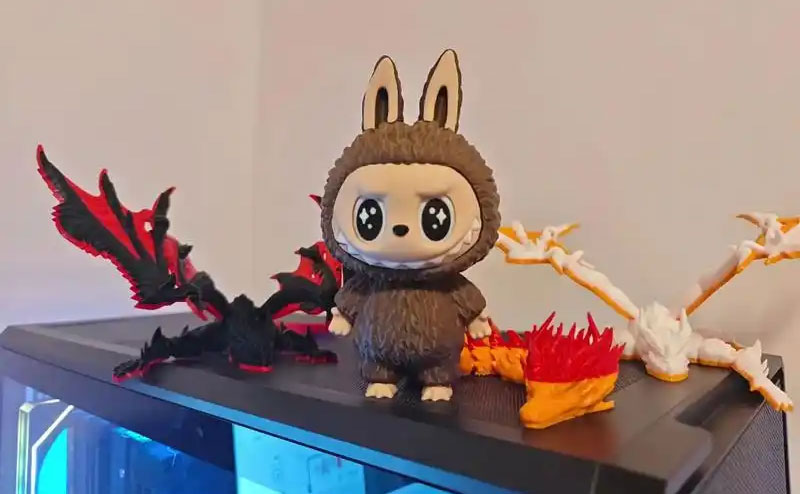
Using another party’s intellectual property (IP) images on products such as food or clothing without the author’s authorization may constitute copyright infringement. If the IP image or name has been registered as a trademark in China, using it on similar products without permission may infringe upon another party’s exclusive trademark rights. If a merchant labels products with phrases such as “Same as [Brand Name]” to mislead consumers into believing there is an official partnership, this may be deemed an act of unfair competition.
Therefore, merchants must obtain proper authorization before developing and selling related merchandise. To avoid infringement risks, they may choose to create their own original IP characters or hire designers to develop them.
Is it illegal for scalpers to hoard labubu doll blind boxes and resell them at inflated prices?
In recent years, many popular blind box products have sparked a rush by scalpers as soon as new releases hit the market, who then resell them at inflated prices. Scalpers typically hoard large quantities of blind boxes by queuing in advance, using third-party software, or monopolizing automated shopping bots, and then resell them on the secondary market at prices several or even dozens of times higher than the original, severely disrupting market order.
If scalpers gather at sales venues to snap up products, cut in line, and cause chaos, thereby disrupting normal order in public places, they may face fines or detention. Furthermore, scalpers’ practice of reselling at inflated prices may constitute “price gouging.” Market regulatory authorities may order them to rectify their actions, confiscate illegal gains, and impose fines of up to five times the amount of such gains. Consumers are advised to shop rationally, refuse to pay inflated prices, prioritize official channels, and avoid the risk of overpricing in the secondary market.
Related Blogs